Typical Dishes by Autonomous Community
A brief and intimate tour of the most representative dishes of each Autonomous Community, discovering the richness and diversity of Spanish gastronomy.
Spain is a country that can be understood, in large part, through its cuisine. Each autonomous community contributes its own flavors, techniques, and products that reflect its history, climate, and way of life. From hearty stews in the interior to fresh Mediterranean dishes, traveling through Spain via its cuisine is an authentic cultural experience. In this article, we take a short gastronomic journey through the different autonomous communities, highlighting some of their most representative dishes.
Andalusia
Andalusian cuisine is quite varied, fresh, and closely linked to olive oil. Among its dishes, we find recipes such as gazpacho and salmorejo, essential in the hot months, while pescaíto frito (fried fish) and rabo de toro (oxtail) also showcase part of the region's popular and festive tradition.

Aragon

Aragon is known for its intense flavors and rural recipes, which reflect the tradition and character of the region. Among the most representative dishes are oven-roasted ternasco de Aragón (lamb) and migas aragonesas (breadcrumbs), perfect for enjoying during the cold months and conveying the authentic flavor of Aragonese cuisine.
Asturias
Asturias is synonymous with hearty and comforting cuisine. Fabada asturiana, made with fabes (beans) and compango (smoked meats), is its best-known dish. But we cannot overlook cachopo, a modern classic that has conquered the whole country.

Balearic Islands

Balearic cuisine combines Mediterranean and traditional local influences, resulting in fresh and authentic flavors. It is worth mentioning that frit mallorquí and arròs brut are very representative savory dishes, while ensaimada stands out as its most international sweet, a symbol of the islands' pastries.
Canary Islands
Canarian cuisine stands out for its simplicity and use of local products. The famous papas arrugadas con mojo (wrinkled potatoes with mojo sauce) are the perfect accompaniment to any fish or meat, and gofio remains a staple food on the islands.

Cantabria

In Cantabria, the cuisine is closely linked to the sea and livestock farming. That is why cocido montañés, made with beans and cabbage, is one of the region's most traditional dishes, along with sobao pasiegos as an emblematic dessert.
Castilla-La Mancha
The cuisine of La Mancha is simple and full of flavor, marked by traditional recipes and local products. Duelos y quebrantos, which is even mentioned in Don Quixote, and pisto manchego are clear examples of the region's cuisine, based on simple but hearty and nutritious ingredients.

Castile and León

In Castile and León, roasts and hearty dishes predominate, reflecting its culinary tradition and taste for intense flavors. Roast lamb and suckling pig are the real stars, accompanied by high-quality sausages such as morcilla de Burgos, making its cuisine a robust and memorable experience.
Catalonia
Catalan cuisine is rich and well-balanced, combining creativity and tradition in every dish. Dishes such as escudella i carn d'olla, pa amb tomàquet, and crema catalana showcase the perfect combination of culinary history and high-quality products, reflecting the diversity of its territory and gastronomic culture.

Valencian Community

Beyond the famous paella, the Valencian Community offers a wide variety of rice dishes, such as arroz a banda and arroz negro, which reflect the richness of its coastline and its vegetable gardens. The use of fresh vegetables, fish, and seafood is fundamental to its cuisine, providing authentic and balanced flavors that make it renowned throughout Spain.
Extremadura
Extremadura stands out for its use of high-quality Iberian products, especially pork. Extremaduran migas, , Iberian ham, and dishes such as lamb stew reflect a simple but very flavorful cuisine, deeply linked to rural tradition and the use of local resources.

Galicia

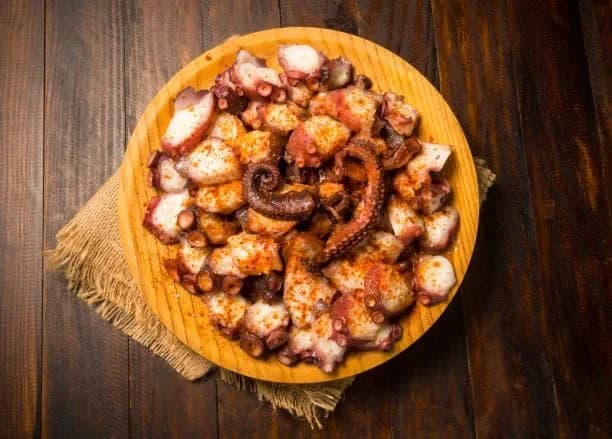
Galician cuisine is one of the most renowned in Spain, famous for the freshness and quality of its ingredients. Pulpo a la gallega(Galician-style octopus), lacón con grelos (pork shoulder with turnip greens) and empanada gallega (Galician pie) are dishes that showcase local products, reflecting the richness of the sea and the land in recipes full of flavor and tradition.
La Rioja
La Rioja's cuisine goes hand in hand with wine, which plays a major role in its culinary identity. Patatas a la riojana, potatoes with chorizo and paprika, is its most emblematic dish, along with chuletillas al sarmiento, lamb chops roasted with vine branches, which give them a very characteristic aroma and flavor.

Community of Madrid

Madrid brings together influences from all over Spain, making it a true gastronomic melting pot. But it also has its own dishes, such as cocidomadrileño, traditionally served in three courses, and the popular calamari sandwiches that reflect the urban tradition and authentic flavor of the capital.
Region of Murcia
Murcian cuisine is based on the land and the sea, making the most of fresh, seasonal produce. Zarangollo, Mar Menor caldero and a wide variety of vegetables feature in its most traditional recipes, which are simple but full of flavor and tradition.

Navarre

Navarre is known for the quality of its vegetables and meats, making the most of the products of its varied territory. Asparagus, piquillo peppers, and lamb chilindrón are some of its most representative dishes, combining freshness, flavor, and tradition in every recipe.
Basque Country
Basque cuisine is synonymous with excellence and absolute respect for quality products. Cod al pil-pil, hake in green sauce, and the famous pinchos make eating in the Basque Country an internationally recognized gastronomic experience.

Spain's gastronomic diversity is one of its greatest treasures. Each autonomous community contributes unique recipes that speak of its history, environment, and traditions. Getting to know the typical dishes of each region is not only a way to enjoy good food, but also to better understand the country's cultural identity. A trip through Spain always tastes better when done dish by dish.
Join the Menuveo family
Subscribe to our newsletter to receive the latest news.