
Traditional Easter desserts in Catalonia
A journey through the traditional Easter desserts of Catalonia, where tradition, family, and flavor come together in recipes typical of this time of year.
Easter in Catalonia is not only celebrated in the streets and through religious traditions, but also at the table. It is a time of year when traditional pastries take center stage, with recipes that have been passed down from generation to generation and are part of the collective memory of many families. Today we are going to take a look at some of the most typical desserts of Catalan Easter, discovering their origins and why they are still so beloved today.
The Easter Cake
Without a doubt, the Easter cake is the most emblematic sweet of this time of year in Catalonia. Traditionally, the godfather gives the cake to his godson on Easter Monday as a symbol of celebration and the end of Lent.

In the past, it consisted of a simple sponge cake decorated with hard-boiled eggs, but over time it has evolved enormously. Today, we can find everything from classic brioche or sponge cakes to authentic chocolate works of art, especially designed for children. Even so, the spirit remains the same: sharing and celebrating with the family.
Wind fritters

Although buñuelos are prepared in many regions during Holy Week, they have a special place in Catalonia. Buñuelos de viento are light and fluffy, usually filled with cream, whipped cream, or chocolate and sprinkled with a little sugar.
Making them at home is a long-standing tradition, and for many, the aroma they give off when fried is synonymous with Holy Week. They are simple but irresistible, and perfect to accompany a coffee or a family snack.
Catalan-style torrijas
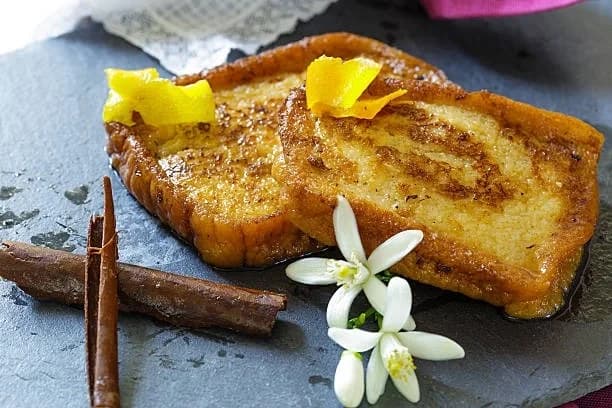
Torrijas are also part of the typical pastries of this time of year, although in Catalonia they tend to vary depending on the area. They are made with day-old bread, milk flavored with cinnamon and lemon, and dipped in egg before frying.

In many homes, a personal touch is added, such as honey, caramelized sugar, or even a splash of sweet wine. They are a perfect example of how leftover food can be used to create one of the most beloved traditional desserts.
Easter cake
Less well known than the mona, but equally traditional, the Easter cake is another typical dessert at this time of year. It is a spongy cake, similar to a brioche, which can be topped with candied fruit, pine nuts, or sugar.
It is ideal for sharing during family meals at Easter and is usually served with sweet wine or cava, especially on Easter Monday.
Flaó

In the southern regions of Catalonia, such as the Terres de l'Ebre, you will find flaó, a traditional cake made with fresh cheese and flavored with mint or anise. Although it is more typical of Easter in general, it fits perfectly into the Easter recipe book.
Chocolate Easter eggs
Beyond the mona, chocolate Easter eggs are also part of the current tradition. Although their incorporation is more modern, today they are very present, especially in families with children, and perfectly complement the Easter Monday celebration.

Traditional Holy Week desserts in Catalonia are much more than recipes: they are memories, celebrations, and moments shared around the table. From the iconic Easter cake to simple fritters or classic French toast, each sweet tells a story and reflects the importance of keeping traditions alive.
Enjoying these desserts is a delicious way to connect with Catalan culture and celebrate one of the most special times of the year, always with that homemade and familiar touch that makes them taste even better.
Join the Menuveo family
Subscribe to our newsletter to receive the latest news.