Pan with tomato originated in the 19th century as a way to make use of stale bread, and over time it became a symbol of Catalan gastronomy and tradition.
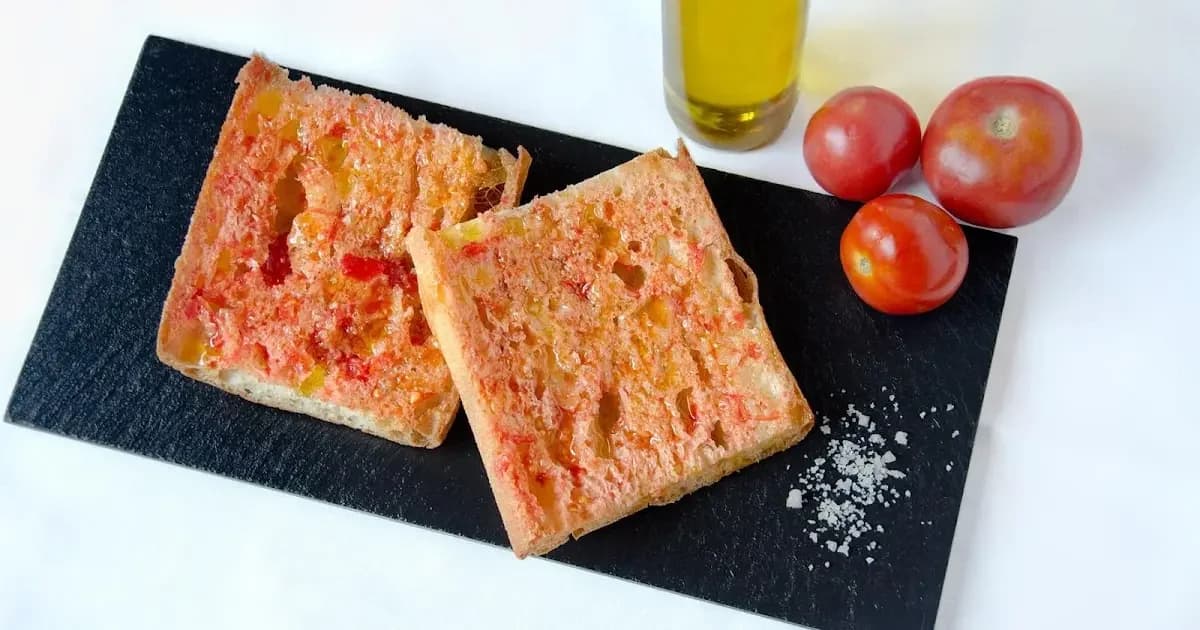
Bread with tomato is one of the most iconic symbols of Catalan cuisine. What started as a simple and somewhat humble solution ended up becoming a culinary tradition.
Tomatoes arrived in Europe after the discovery of America in the 16th century, but it wasn't until centuries later that they became popular in kitchens. In Catalonia, it was in the late 18th and early 19th centuries that peasants began to use ripe tomatoes to soften the previous day's bread.
They would rub the tomato over a slice of bread and then add oil and salt to it.
At that time, nothing was wasted, and bread with tomato was a very clever way to make use of the basic ingredients that every family had in their homes.

Over time, tomato bread went from being a home remedy to being part of everyday Catalan meals, as in the 20th century, with migration from the countryside to the city and the growth of Barcelona, the dish began to become popular in bars and restaurants.
It became the ideal accompaniment for cold cuts, cheeses, omelets, meats… And today, for many Catalans, it is unthinkable to sit down to eat in a restaurant or at home without having bread with tomato on the table.
A tomato bread may seem simple, but you have to follow these exact steps for it to be the traditional one we’ve always known.
The tomato is not crushed or mixed; it is cut in half and rubbed directly onto the bread.

This food has become an identity. It represents the local product and tradition, as well as the simplicity of a meal. In Catalan meals, in general, it is always present; even in other parts of the world, it is already included on menus, even if they don't make the traditional recipe, but in some way, it is attempted.

It could also be said that bread with tomato shows that big or more labor-intensive meals aren't always going to taste better; what really matters is the authenticity of each dish.
Share this article:
Subscribe to our newsletter to receive the latest news.