
The history of "cannelloni" in Catalonia
Discover how cannelloni went from being an Italian dish to becoming an essential Christmas classic in Catalonia, full of tradition and history.
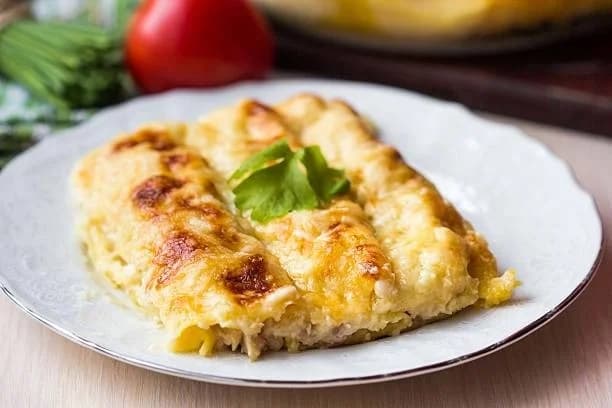
When we talk about Christmas in Catalonia, we usually think of turrones, neulas, or escudella. However, there is one dish that is always present on many tables: cannelloni. The curious thing is that this Christmas classic did not originate here. How did an Italian recipe end up becoming such a tradition of ours? We'll tell you all about it below.
Italian origins: from Tuscany to the peninsula

Cannelloni has its roots in Italy, more specifically in Tuscany and other northern regions, where cannelloni was prepared, which in other words is pasta tubes filled with meat, spinach, or ricotta, covered with sauce, and baked. Italians cooked it on special occasions and for celebrations, and little by little its fame crossed borders.
Over time, this recipe gained popularity both inside and outside Italy, traveling thanks to migration and cultural exchange. Thus, little by little, its fame spread and cannelloni adapted to the tastes and traditions of each place, until it became an essential dish in many European cuisines.
The arrival in Catalonia

It was at the end of the 19th century and the beginning of the 20th that the Italian recipe began to arrive in Catalonia, thanks to the influence of Italian families and the culinary curiosity of the Catalans, who were always willing to include new gastronomic influences. The curious thing is that, in its early years, cannelloni had nothing to do with Christmas: it was just another everyday dish, easy to prepare and delicious. But over time, restaurants of the era began to include cannelloni on their menus, contributing to its rapid popularization, and it was commonly eaten in homes without being linked to any specific holiday.
The transformation into a Christmas dish
The connection with Christmas was consolidated in the 20th century. It is said that this was due to the influence of the great restaurants and cooking magazines of the time, which presented meat cannelloni with béchamel sauce as an elegant and special dish, ideal for Christmas menus. In this way, preparing meat cannelloni at Christmas became synonymous with celebration and a well-prepared table. In addition, the laborious process of filling the tubes, covering them carefully with sauce, and baking them to perfection fit perfectly with the idea of sharing time and effort with the family during the holidays.

Today, Catalan cannelloni is almost a Christmas ritual that cannot be missed, present on many tables during the most important days of the holidays. Traditionally, they are prepared stuffed with meat (although sometimes mixed with cold cuts or roast leftovers), covered with a generous layer of béchamel sauce, and baked in the oven until golden brown and creamy. Each family has its own version, its secrets and, above all, its memories: the conversations in the kitchen, the aromas that fill the house and herald the celebration, and the satisfaction of seeing the tray ready for the table.
A dish with family soul
Beyond its history and recipe, cannelloni in Catalonia represents tradition, togetherness, and affection. It is a dish that brings the family together around the table and evokes shared memories, long conversations, and celebrations in a collective moment, where each person contributes their help and knowledge, strengthening family ties. Cannelloni is also proof of how a foreign recipe can take root and become something of its own, adapting to local customs, local ingredients, and the spirit of Christmas, until it becomes a gastronomic symbol inseparable from the holidays.
So the next time you see that golden tray on the table, remember: you are enjoying centuries of history, mixed with family tradition, all inside a simple tube of pasta. And that, without a doubt, deserves a toast.
Join the Menuveo family
Subscribe to our newsletter to receive the latest news.