History of the crema catalana: origin and tradition
Crema catalana: a centuries-old dessert born in medieval cookbooks, linked to Saint Joseph, and now found on menus, bars, and daily specials.
What is so special about crème brûlée?
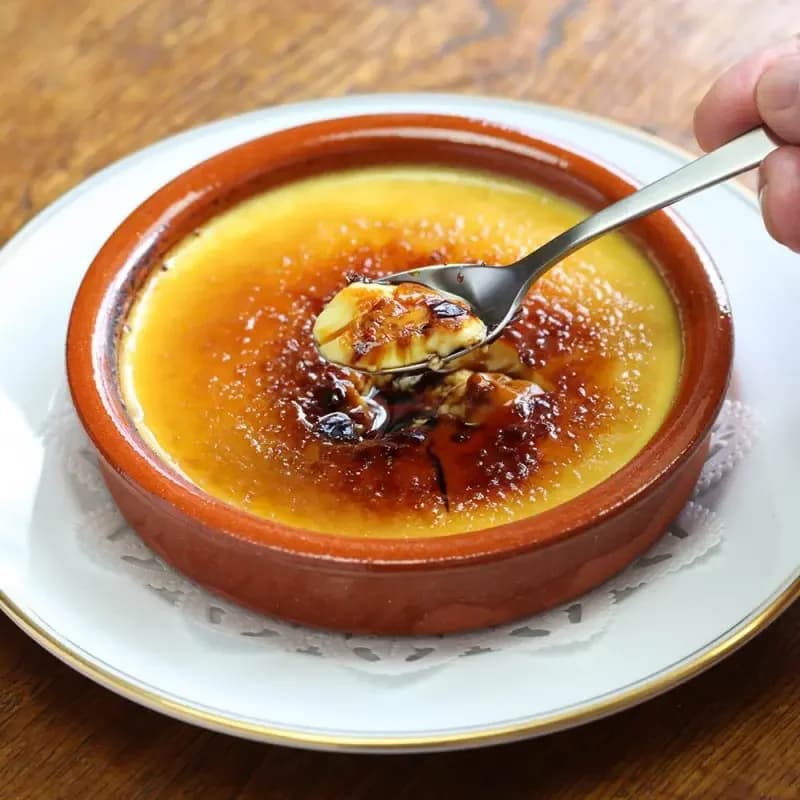
Catalan cream is one of those desserts that pass from generation to generation without losing its place at the table. It is a smooth cream of milk, egg yolks, sugar, cinnamon and lemon peel, topped with a layer of burnt sugar that breaks with a spoon and lets out the aroma of cold cream.
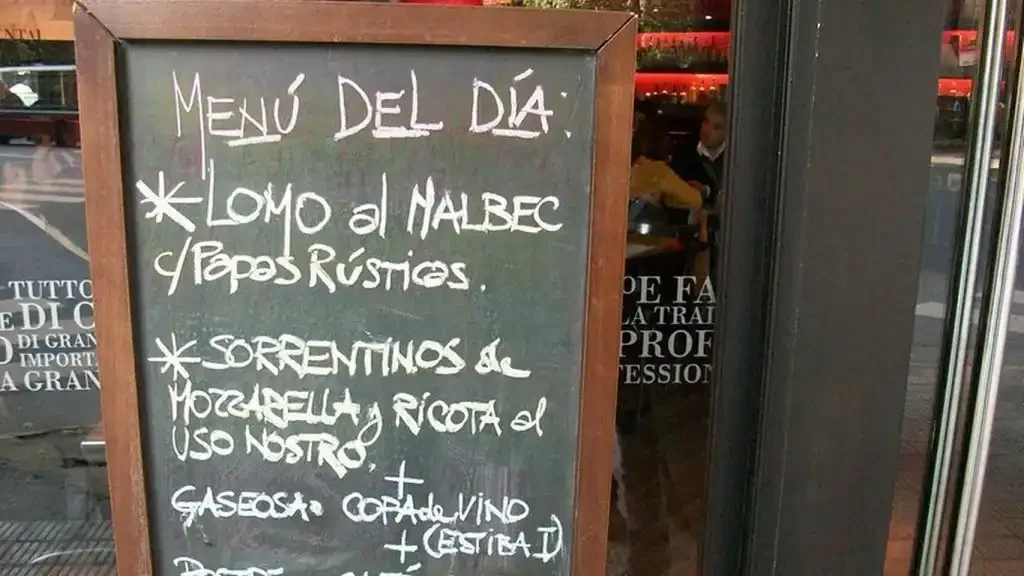
It is mostly associated with Catalonia and March 19, Saint Joseph's Day, when it was traditionally prepared as Sant Josep cream in many homes, according to the Barcelona City Council in its section on popular culture. Today it is part of everyday life: it appears on restaurant menus, in neighborhood bars and also as one of the classic desserts of many menus of the day in the area.

A dessert with medieval roots
Long before it reached modern menus, the Catalan custard already had traces in ancient recipe books. Catalan cookbooks such as the 14th century Llibre de Sent Soví and the 16th century Llibre del Coch describe sweet creams thickened with milk and eggs that are considered direct ancestors of today's dessert. The Ajuntament de Barcelona also points out that the cream of Sant Josep is already included in medieval recipe books and places it among the oldest desserts in the country.
Those recipes talked about mixing milk, eggs, some kind of flour or starch, sugar and spices to prepare spoon dishes on special days. Over time, the formula was refined until it became very close to the Catalan cream we know today.
The legend of the convent and the bishop
In addition to the books, there is the story part. One of the best known legends says that in a Catalan convent they wanted to prepare a flan for a bishop, but the mixture was too runny. To make it up, the nuns added sugar on top and burned it to form a golden crust.
The sugar was so hot that the bishop burned his tongue and, according to the story, this is where the play on "cream" and "burn" that would have given the dessert its name was born. Whether this is true or not, it fits very well with the idea of a cooking mistake turned into an iconic recipe.
From "crema de Sant Josep" to a menu classic
For a long time, the most common way of naming it in Catalonia was "crema de Sant Josep". It was that festive dessert that was made at home, left to cool in earthenware casseroles and served at the end of the family meal.
Over the years it left the domestic kitchens and moved on to restaurants, becoming a permanent feature on menus and menus. Today it is easy to see it both as a dessert included in the menu of the day in bars and eating houses, as well as in the dessert section of restaurants and hotels that want to offer something distinctly local, usually in the range of 4 to 8 euros per serving.
"As the popular culture section of the Ajuntament de Barcelona explains, crema de Sant Josep has become one of the most representative sweets of the Catalan festive calendar."
Today in many Catalan day menus it still appears as "crema catalana" or "crema de Sant Josep", sharing space with flans, yogurts and fruits, but being the option that most connects with the traditional cuisine of the area.
What it contains and why it works so well
The traditional recipe is simple and recognizable:
- Milk.
- Egg yolks.
- Sugar.
- Starch or cornstarch for thickening.
- Cinnamon stick.
- Lemon peel.
It is cooked over low heat in a saucepan, stirring until it thickens, it is distributed in individual containers and it is left to cool. Just before serving, sprinkle sugar on top and burn it with a shovel or a blowtorch, creating that crunchy layer that makes it so characteristic.
This format fits perfectly in the logic of many restaurants and daily menus: it can be prepared in advance, it keeps well in the fridge and only needs a hit of burnt sugar at the moment to go out to the table with good presence.

Creme brûlée vs. crème brûlée
Visually they look similar, but they are not the same.
| Origin | Catalonia | France |
| Milk base | Milk | Cream |
| Thickener | Usually contains cornstarch | Usually does not contain starch |
| Typical flavors | Cinnamon, lemon peel | Vanilla |
| Cooking | In a saucepan, on the fire | In oven, bain-marie |
Catalan crème brûlée is usually lighter, with a more homemade and rustic touch, while crème brûlée is usually associated with French haute cuisine, with a denser texture. In the end, both share the idea of cream + burnt sugar, but each plays in its own style.

Where to find crème brûlée today
If you move around Catalonia, it's hard not to come across it. Appears in:
- Catalan and traditional cuisine restaurants.
- Bars and restaurants that offer a menu of the day.
- Hotels and restaurants that want to include a "typical Catalan dessert" in their menu.
In all these contexts it fulfills the same role: to close the meal with something simple, recognizable and with a lot of history behind it, without overcomplicating either the kitchen or the pocket.
"It is no coincidence that many institutional guides to Catalan gastronomy mention it as one of the most representative sweets of the country: it is simple, recognizable and has a long history behind it."
Join the Menuveo family
Subscribe to our newsletter to receive the latest news.