
Dishes that were born out of necessity or economic crisis
Many iconic dishes were born from scarcity: humble recipes with leftovers and basics that today are symbols of tradition and cultural identity.
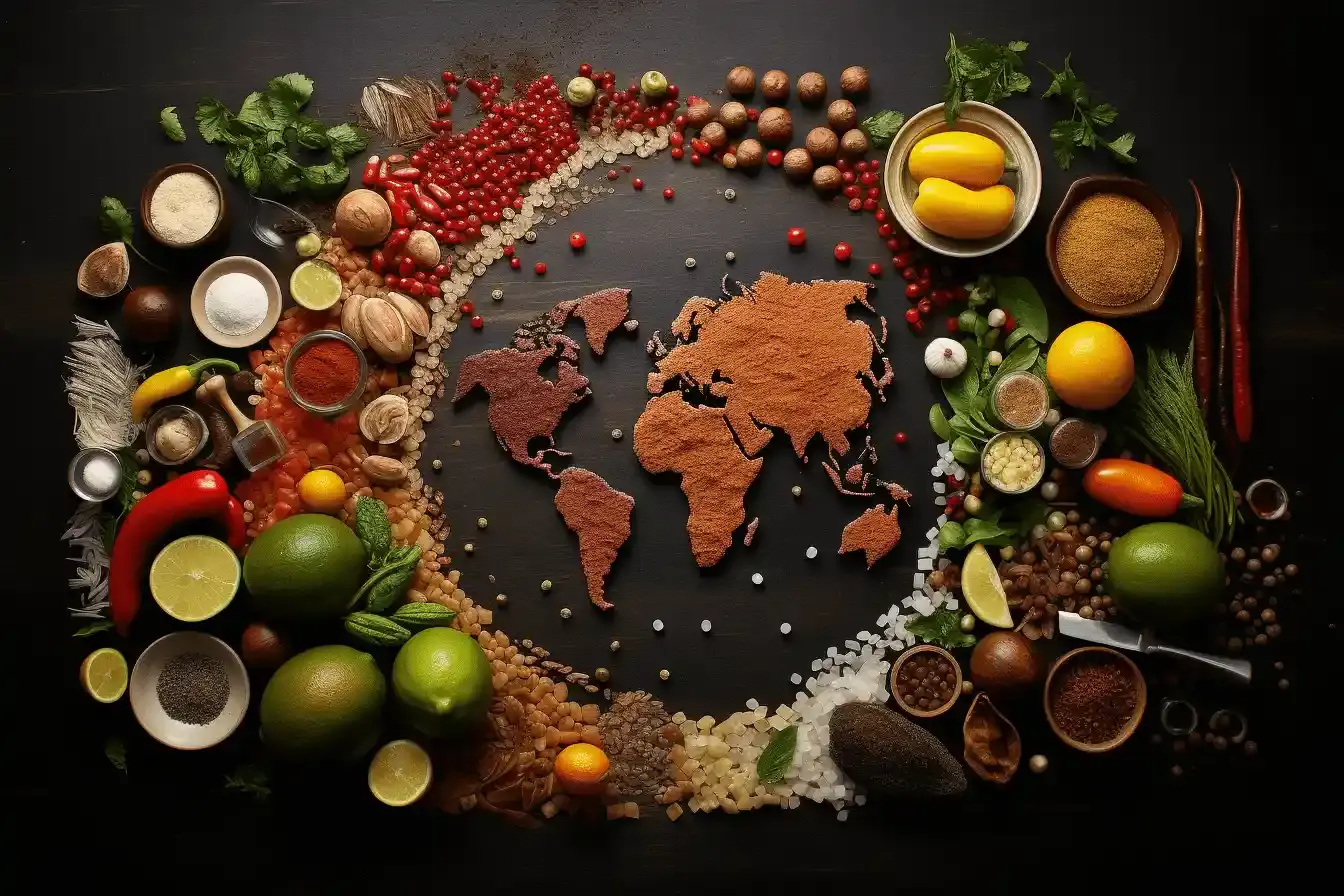
The history of gastronomy is not always linked to luxury or abundance. Many of the most well-known dishes in the world arose during times of war, hunger, and economic crisis. The basic necessity of eating made people think of ingenious ways to make dishes with the ingredients they had.
‘Migas’
In the rural areas of Spain, migas arose as a way to be able to reuse hard bread. The peasants and shepherds would crumble it and cook it together with oil and garlic, and if they were lucky enough to have chorizo or bacon, they would add it as well.
It was a perfect dish for them because of their long working days, and nowadays migas are a tradition in many parts of Spain.

‘Pappa al pomodoro’
La Pappa al pomodoro was born in Italy by reusing stale bread, tomato, and the olive oil they had. Mainly, it was a dish for those people with little money and, by combining these three ingredients, it resulted in a thick soup.
As of today, it is an essential part of Tuscan cuisine.

‘Ramen’
Nowadays it is a symbol of Japanese gastronomy, but ramen is really a food that became popular in the Second World War, when they encountered a rice shortage and had to start consuming much more wheat. These noodle soups became the most nutritious food they could afford.
Over time, ramen stopped being just another dish to become a symbol of Japanese cuisine worldwide.

‘Pasta a la carbonara’
The famous pasta carbonara has different theories about its origin, but many people, and especially Italians, place its creation during the Second World War, when there was a shortage of all kinds of ingredients and it was decided to mix available ingredients; in this case, they were egg, pancetta, and pasta.
What started as subsistence and as a necessity to be able to eat something has led carbonara to become the most famous Italian dish worldwide.

‘Bocadillo’
In many countries, many years ago, bread filled with another type of ingredient emerged as a quick and cheap solution for workers. In Spain, during certain times, the sandwich was for the breakfasts or lunches of laborers and students, since it was simple and they could take it wherever they wanted.
Today it is part of world cuisine and it is even very typical to eat sandwiches in restaurants.

‘Fabada asturiana’
In the north of Spain, legumes were an essential staple of rural nutrition, as they were economical, nutritious, and very easy to preserve. Fabada was born as a hearty dish, above all to endure the cold climate and the long working days in the fields or in the mines.
Although today it is associated as something traditional and where you can eat it in restaurants, its origin actually comes from humble and rural cooking.

‘Sopa de cebolla’
In France, the onion was a cheap and very abundant ingredient, so they decided to mix it with broth and stale bread, and in this way they created a very simple but nutritious soup. Over time, grated cheese was added to it.
It has become a classic dish of French cuisine, and what started as a dish for the working class is now served in high-end restaurants.

‘Pa amb tomàquet’
Born in Catalonia, when the bread became hard, tomato was rubbed on it to soften it and make it more pleasant to eat, and then oil and salt were added. It was created to avoid wasting bread and to use ripe tomatoes.
Nowadays it has become a symbol of Catalan gastronomy and is essential both in homes and in restaurants.

‘Arepas’
Arepas are one of the most representative dishes of Venezuela and Colombia. They originated as a basic food when indigenous peoples ground corn and cooked it on hot stones, thus creating a dough. In the end, corn was a very accessible food and could be accompanied by any other accessible food; cheese, butter, beans, or small pieces of meat.
Today it is a national symbol, but it still maintains that essence of humble food that was born out of necessity.

Most of these dishes have something in common; staple foods, they were leftovers and they made use of them, and simple but nutritious foods.
What started as a necessity ended up becoming tradition and cultural identity.
Join the Menuveo family
Subscribe to our newsletter to receive the latest news.